
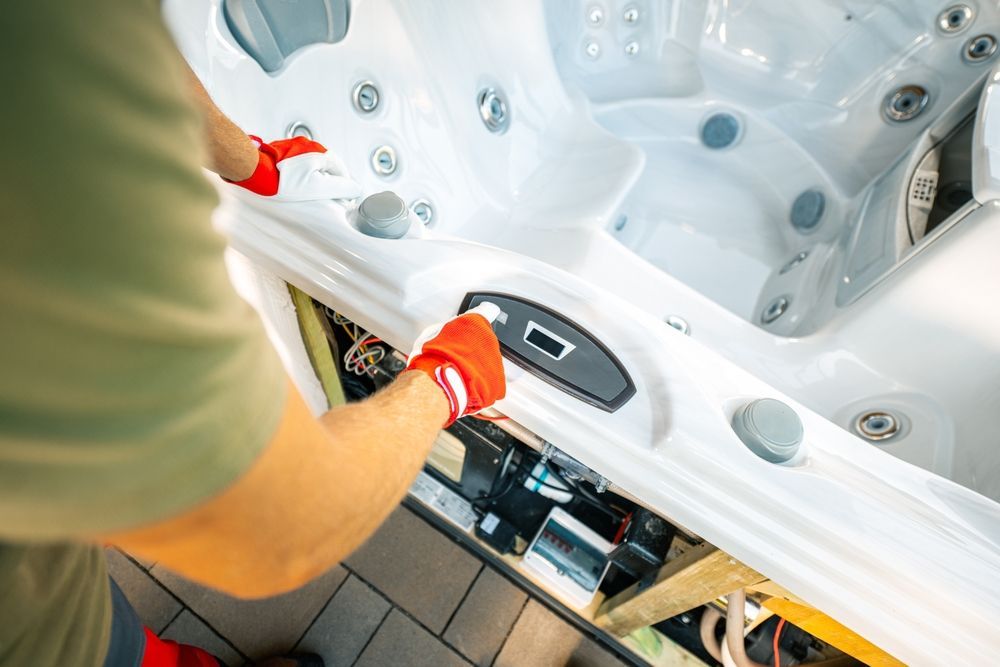
Hot Tub and Spa Electrical Services in Shelby Township
Wiring That Handles Water and Weather
Hot tubs draw significant electrical current to operate pumps, heaters, and control systems, typically requiring a dedicated 240-volt circuit with ground fault protection to prevent electrical shock in wet environments. A hot tub operating at 50 amps uses wiring and breakers sized to handle continuous loads without overheating, plus GFCI protection that shuts off power instantly if electrical current leaks through water or damaged insulation. MJM Electric Inc installs hot tub electrical systems across Shelby Township using weatherproof components and code-compliant wiring methods that protect against moisture intrusion and physical damage from freeze-thaw cycles common in Michigan outdoor installations.
The installation involves running a dedicated circuit from your main electrical panel to a disconnect box mounted within sight of the hot tub, then connecting to the spa's control pack using conduit and wire rated for wet locations and direct burial if routed underground. Proper grounding bonds all metal components to prevent voltage differences that could cause shock, particularly critical in installations where people contact water and electrical equipment simultaneously.
Schedule a property evaluation to review your hot tub location and electrical panel capacity before finalizing equipment purchases.
What Code-Compliant Spa Wiring Involves
Hot tub electrical installations follow National Electrical Code requirements specific to wet locations, including GFCI protection on all circuits, a disconnect switch mounted within sight of the spa but at least five feet from water, and bonding wires that connect all metal parts including the tub frame, pump housings, and any metal railings or fixtures within five feet of the water. Underground wiring runs through schedule 80 PVC conduit buried at code-required depths to prevent damage from digging or ground settlement.
After the electrical work completes, your hot tub operates reliably through temperature swings and precipitation without tripping breakers or creating shock hazards when you enter or exit the water. The GFCI protection monitors for even minor current leakage and disconnects power before electrical faults become dangerous, automatically resetting once you identify and correct the problem. Properly sized circuits handle the startup surge when the heater and pumps engage simultaneously without voltage drops that damage sensitive control electronics.
Outdoor installations in Shelby Township require weatherproof covers on all electrical boxes and strain relief fittings where wiring enters equipment to prevent moisture from wicking into connections. Inspection and approval by local electrical authorities verify that the installation meets safety standards before you energize the system and fill the spa.
Answers to Frequent Service Questions
Hot tub owners often have questions about electrical requirements, installation timing, and safety features before beginning their spa projects.
What amperage does a typical residential hot tub require?
Most hot tubs operate on 40 to 60-amp circuits at 240 volts depending on heater capacity and the number of pumps, with larger models featuring multiple pumps and higher-wattage heaters requiring 60-amp service.
How does GFCI protection work in hot tub installations?
The ground fault circuit interrupter detects any imbalance between the current flowing out on the hot wire and returning on the neutral wire, indicating leakage through water or a ground fault, then disconnects power within milliseconds to prevent shock.
Why does the disconnect box need to be visible from the hot tub in Shelby Township installations?
Building codes require a visible disconnect switch so anyone can immediately shut off power to the spa during an emergency without searching for the correct breaker in the main panel located inside the house.
Can existing wiring be reused when replacing an old hot tub?
Existing circuits can remain in service if the wire gauge and breaker size match the new spa's electrical requirements and the wiring remains in good condition without damaged insulation or corroded connections, though upgrading is common when replacing older models with higher-capacity units.
What happens if moisture enters the electrical connections over time?
Properly installed weatherproof fittings and sealed conduit entries prevent moisture intrusion, but if water does reach connections it typically causes corrosion that increases resistance and trips the GFCI before creating dangerous conditions, signaling that repairs are necessary.
MJM Electric Inc handles hot tub wiring from panel evaluation through final connection and testing, working with your spa delivery schedule to have electrical service ready when the unit arrives. Call (810) 343-0747 to discuss your installation timeline and electrical service requirements.